
In January, the bees are snug in their hive, with the queen at the center of the warming cluster. There are no drones, typically no brood and the bees feed on their stored honey.
The workers will emerge for cleansing and perhaps a bit of pollen-collecting on any day when weather and temperature allow (no precipitation, temps >45ᵒ F).
Beekeepers should keep an eye on the hives, especially during stormy weather, but it is mainly a good time for maintenance and repair of equipment, cleaning up old frames, studying, and planning for the coming year.
Tip 1: Check all stored wax comb for wax moths. To kill the moths, put infested frames into a freezer for two days.

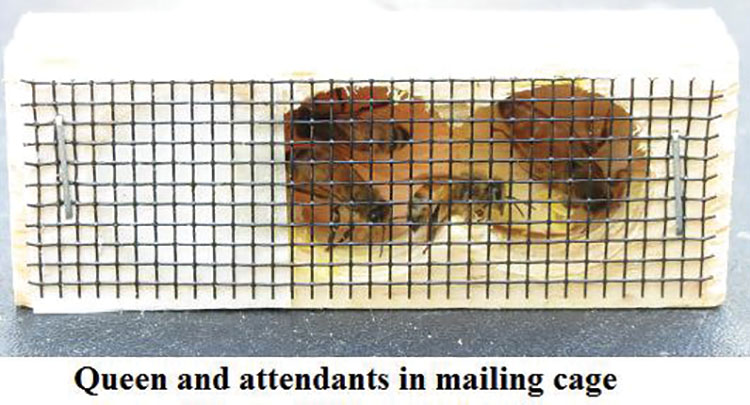
Tip 2: Order queens in January for delivery in April.
Tip 3: Check and replace quilt board shavings at 1-month intervals. Dry damp shavings in a paper grocery bag placed near a woodstove, then reuse shavings.

Recent Posts
November Members' Meeting: Bri Price/WSU Outreach and Education, Visits East Jefferson Beekeeepers
EJ Beekeepers welcomed Bri Price to speak about varroa management and her ongoing project regarding varroa in the Pacific Northwest. The complete discussion is available via the following...
EJ Beekeepers welcomes newly elected officers and trustees: Officers Sandy Sisk/President Michael Cavett/Vice President Julie Russell/Secretary Eva...